


There’s nothing more frustrating than turning on your air conditioner during a hot San Antonio afternoon only to realize your AC is not cooling properly. Maybe warm air is coming from the vents, certain rooms won’t cool down, or your system seems to run constantly without making your home comfortable.
The good news is that not every cooling problem means you’re facing an expensive repair. Sometimes, the issue is something simple you can check yourself. Other times, it may be an early warning sign that your HVAC system needs professional attention.
Here’s what San Antonio homeowners should check first, what might be causing the problem, and how to recognize when it’s time to call Shafer Services Plus.
What to Check First When Your AC Isn’t Cooling
Before scheduling a service call, there are a few simple things you can safely check around your home.
1. Make Sure Your Thermostat Is Set Correctly

It might sound obvious, but thermostat settings are one of the easiest things to overlook.
Start by making sure your thermostat is set to “Cool” and the selected temperature is lower than the current room temperature.
Also, check whether the fan is set to “Auto” rather than “On.” When the fan is set to “On,” it may continue circulating air even when the system isn’t actively cooling.
If your thermostat uses batteries, check whether they need replacing.
If everything looks correct but your AC still isn’t responding, the thermostat or another system component may need professional attention.
2. Check Your Air Filter
A dirty air filter can restrict airflow and make it harder for your HVAC system to cool your home.
When airflow becomes too restricted, it can even contribute to a frozen evaporator coil, preventing your system from cooling properly.
Check your filter regularly and replace or clean it according to the manufacturer’s recommendations. During San Antonio’s long cooling season, monthly checks are a good habit.
If your filter is clean but airflow remains weak, the problem may involve another component or your ductwork.
3. Check Your Circuit Breaker
Sometimes an AC system stops cooling because part of the equipment has lost power.
Check your electrical panel for a tripped breaker associated with your HVAC system. If you’re comfortable doing so and there are no signs of electrical damage, you can follow the manufacturer’s guidance for a single reset.
If the breaker trips again, leave it off and contact a professional. Repeatedly resetting a breaker can create a safety concern and won’t resolve the underlying problem.
4. Inspect Your Outdoor AC Unit
Your outdoor condenser plays an important role in releasing heat from your home.
If leaves, grass clippings, dirt, or overgrown landscaping are restricting airflow, your system may struggle to cool efficiently.
Take a look around the unit and remove loose debris from the surrounding area. Keep vegetation trimmed back to allow adequate airflow.
Avoid opening electrical panels or attempting to repair internal components yourself.
If the outdoor unit isn’t operating when cooling is needed, professional diagnosis may be necessary.

Why Is My AC Blowing Hot Air?
If you’ve checked the basics and your AC is still blowing warm air, there may be a problem within the cooling system itself.
Several common issues can prevent your air conditioner from removing heat effectively.
Frozen Evaporator Coil 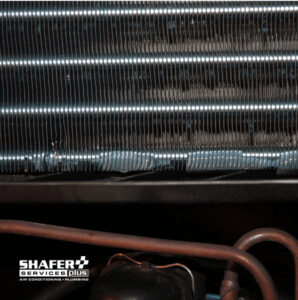
Your evaporator coil absorbs heat from the air inside your home. When ice forms on the coil, it can interfere with that process and reduce cooling performance.
Frozen coils are often associated with restricted airflow or refrigerant problems.
You might notice weak airflow, ice around the indoor equipment, or an AC system that runs without producing much cool air.
If you suspect a frozen coil, turn off the cooling function and contact an HVAC professional. Simply allowing the ice to melt won’t correct the underlying problem.
Low Refrigerant or Refrigerant Leaks
Refrigerant allows your air conditioner to transfer heat out of your home.
When refrigerant levels are too low, your system may struggle to cool properly or run for extended periods without reaching the desired temperature.
Because air conditioning systems are designed to operate with a specific refrigerant charge, low levels can indicate a leak or another issue that needs attention.
Refrigerant problems are not DIY repairs. A qualified HVAC technician can diagnose the issue, identify potential leaks, and recommend the appropriate solution.
Dirty Evaporator or Condenser Coils
Your AC has indoor and outdoor coils that work together to transfer heat.
Over time, dirt and debris can accumulate on these components, reducing their ability to absorb or release heat effectively.
Dirty coils can contribute to longer cooling cycles, reduced efficiency, and inconsistent indoor temperatures.
Professional air conditioning maintenance includes evaluating important system components and addressing conditions that may affect cooling performance.
Failing Electrical Components
Electrical components, including capacitors, contactors, and motors, help your AC start and operate correctly.
When one of these components begins to fail, you might notice the system struggling to start, shutting off unexpectedly, or running without cooling.
Because HVAC electrical components can retain dangerous electrical charges even after power is disconnected, these repairs should always be handled by a qualified professional.
5 Warning Signs Your AC May Need Repair
Your air conditioner doesn’t always stop working without warning. Sometimes, smaller changes in performance can signal that something needs attention.
Recognizing these signs early may help you address problems before they become more disruptive.
1. Unusual Noises
You probably know what your AC normally sounds like.
If you suddenly hear banging, clanking, squealing, grinding, or hissing, something may have changed inside the system.
Different sounds can indicate different problems, including loose components, motor issues, or refrigerant-related concerns.
Rather than trying to identify the problem by sound alone, have a technician inspect the equipment.
2. Strange Smells Coming From Your Vents
Unusual odors are another sign worth paying attention to.
Musty smells may indicate excess moisture or buildup somewhere in the HVAC system or ductwork. Burning odors can signal an electrical issue that requires prompt attention.
If you notice a burning smell, turn off the system if it’s safe to do so and contact a professional.
For ongoing concerns involving dust, moisture, or household air quality, Shafer also offers Indoor Air Quality Services.
3. Weak Airflow or Uneven Temperatures
Does your bedroom feel comfortable while another room stays noticeably warmer?
Uneven cooling can result from several issues, including restricted airflow, ductwork problems, or equipment that isn’t operating correctly.
Start by checking whether your vents are open and unobstructed.
If the problem continues, a technician can evaluate the system and determine whether HVAC ductwork services or another repair may be needed.
4. Unexpectedly High Energy Bills
Your electric bill will naturally fluctuate throughout the year, especially during a San Antonio summer.
However, a noticeable increase without a corresponding change in weather or usage could suggest your AC is working harder than necessary.
Dirty components, airflow restrictions, refrigerant issues, and aging equipment can all affect system efficiency.
If your energy bills have increased while your home’s comfort has declined, having the system evaluated may help identify the cause.
5. Your AC Is Getting Older and Needs Frequent Repairs
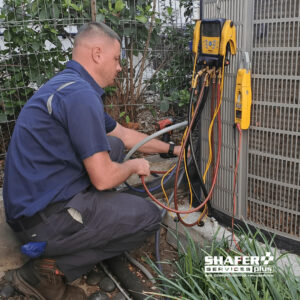
Age alone doesn’t mean an air conditioner needs replacing.
However, if your system is getting older and experiencing repeated problems, it’s worth considering whether continued repairs are the best long-term option.
A professional can help you understand the condition of your equipment, the scope of the repair, and whether air conditioning installation might be worth considering.
At Shafer Services Plus, we believe in explaining your options clearly so you can make the decision that works best for your home.
Why Your AC Might Not Keep Up With San Antonio Heat
During extreme Texas temperatures, air conditioners often run longer as they work to remove heat from indoor spaces.
Longer cooling cycles aren’t necessarily a sign that something is broken.
However, if your system consistently struggles to maintain a reasonable indoor temperature, there may be another issue contributing to the problem.
In some homes, the AC equipment may be improperly sized for the space. This can become especially noticeable after additions or major renovations.
Other factors, including insulation, ductwork, airflow, and system condition, can also affect cooling performance.
If your AC has always struggled during the hottest part of the day, a professional evaluation can help determine whether the problem involves the equipment itself or other conditions within your home.
When Should You Call for Professional AC Repair?
Some cooling issues can be addressed with simple troubleshooting, but others need a trained technician.
It’s time to consider professional AC repair when:
- Your AC continues blowing warm air after checking the thermostat and filter.
- You notice ice forming on the indoor equipment.
- Your system repeatedly starts and stops.
- You hear unusual mechanical noises.
- The circuit breaker continues tripping.
- Your home isn’t reaching a comfortable temperature despite the system running.
- You notice burning odors or other signs of electrical trouble.
If your AC is not cooling properly and you’ve already checked the basics, professional AC repair in San Antonio can help identify the problem.
At Shafer Services Plus, our technicians focus on understanding what’s wrong, explaining the available solutions, and helping homeowners make informed decisions.
How Regular AC Maintenance Helps Prevent Cooling Problems
One of the best ways to support reliable cooling is to keep up with routine HVAC maintenance.
Professional maintenance allows technicians to inspect important components, evaluate system performance, and identify developing issues that may affect comfort.
Depending on your equipment and its condition, a maintenance visit may include checking electrical connections, evaluating coils, inspecting airflow, assessing refrigerant-related performance, and looking for signs of wear.
While maintenance can’t prevent every breakdown, it can help reduce the likelihood of avoidable problems.
For homeowners who want to stay on top of routine care, the SAFER with Shafer Membership provides scheduled HVAC system checks and additional membership benefits.
Frequently Asked Questions About AC Cooling Problems
Why is my AC running but not cooling my house?
Common causes include a dirty air filter, frozen evaporator coil, low refrigerant, dirty coils, or failing components. If your system continues running without cooling after basic troubleshooting, a professional inspection can help identify the issue.
Why is my AC blowing warm air instead of cold air?
Start by checking your thermostat settings and air filter. If those aren’t the problem, the issue could involve refrigerant, airflow, electrical components, or the outdoor condenser.
Should I turn off my AC if it’s not cooling?
If you suspect a frozen coil, electrical issue, or mechanical failure, turning off the cooling system can help prevent further damage while you arrange service. If you smell burning or see signs of electrical damage, prioritize safety and contact a professional.
Is it normal for my AC to run constantly in extreme heat?
Longer cooling cycles can be normal during very hot weather. However, if your system never reaches a comfortable temperature, blows warm air, or shows other warning signs, it should be evaluated.
How can I prevent my AC from breaking down during summer?
Check your air filter regularly, keep the outdoor unit clear of debris, avoid blocking vents, and schedule professional maintenance. These steps can help your system operate properly and identify some developing problems before they lead to a breakdown.
AC Not Cooling? Shafer Services Plus Is Here to Help
When your AC isn’t cooling properly, you shouldn’t have to guess what’s wrong or worry about being pushed into a repair you don’t need.
Whether the issue is a clogged filter, a failing component, or something more complicated, our team is here to help you understand the problem and find the right solution.
At Shafer Services Plus, we believe in doing the right thing, taking care of people like family, and making home comfort as simple as possible.
Schedule Your AC Repair Today!
You’re Safer With Shafer.