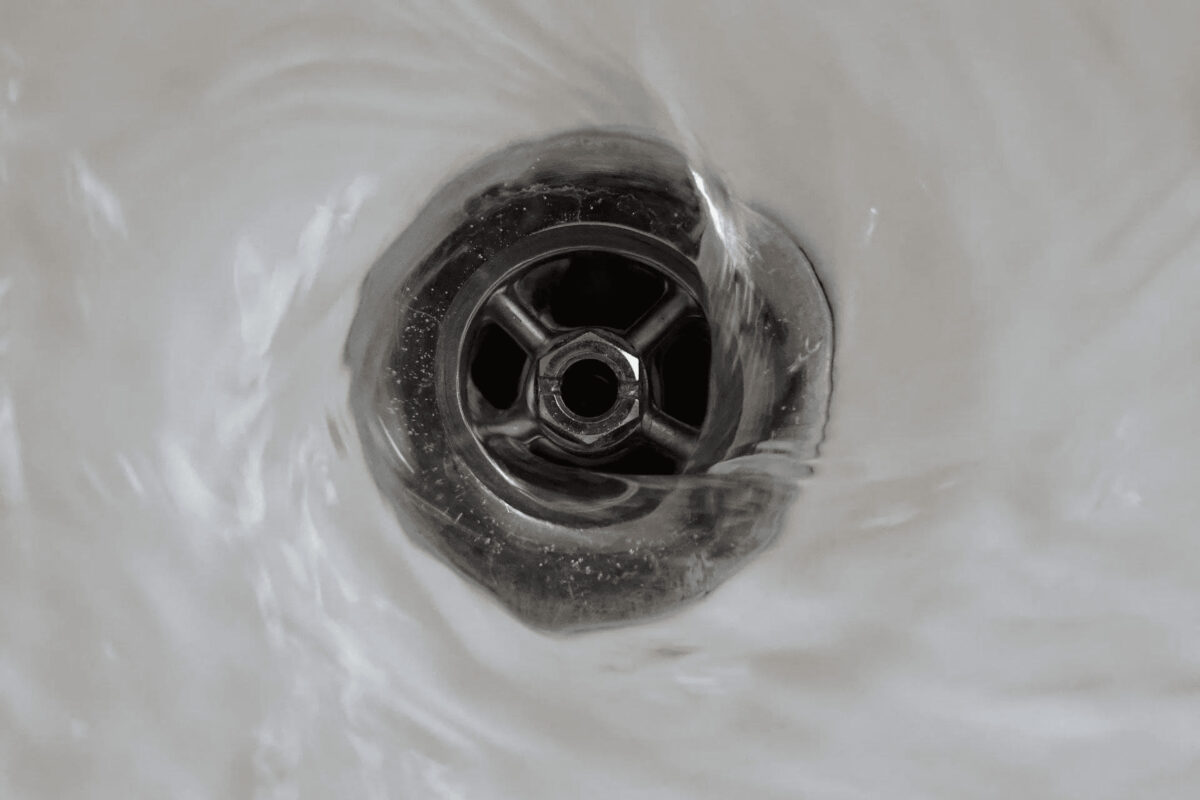
If youāre experiencing a clogged drain and wondering how much it will cost to fix, the answer isnāt always straightforward. In San Antonio, drain clearing costs can range from $189 to $500+, depending on several factors. The type of equipment used, such as a simple auger or a more advanced hydrojetting machine with pressurized water jets, can influence the price. The location and severity of the clog, whether itās deep in the main line or affecting multiple drains, can also add complexity and cost. Additional elements like video inspections, service call fees, and the quality of the plumber you hire all play a role. By understanding these six key factors, you can better anticipate your costs and ensure the job is done right to prevent future issues. Letās explore each of these factors in detail.
Why Does My Furnace Keep Going On and Off?
Worried that your furnace is turning on and off too frequently? If your furnace keeps going on and off, it could mean one of two things:
- Itās especially cold outside
- Your furnace is short cycling
If it is an especially cold day, your furnace may just be turning on and off frequently because your home is getting colder faster. If thatās the case, thereās no need to worryāyour furnace is just doing its job. However, if your furnace frequently goes on and off and only runs for a minute or two, itās short cycling. Short cycling is bad news for your furnace because it wears out important components and increases your energy bills.
In this blog, weāll explain what to do before calling a pro and what causes your furnace to short cycle. Need a furnace repair ASAP? We can help!
How to Tell If You Have a Gas Leak: Warning Signs Every San Antonio Homeowner Should Know
Knowing how to tell if you have a gas leak is an important part of keeping your home and family safe. Natural gas powers many household appliances, including stoves, furnaces, and water heaters, but a leaking gas line can create serious safety hazards if left unaddressed.
Fortunately, there are several warning signs homeowners can recognize, from unusual smells to hissing sounds near gas appliances. Whether you’re concerned about your kitchen, heating system, or outdoor gas lines, knowing what to look for and how to respond can make all the difference.
If you suspect an active gas leak, leave your home immediately. Do not use electrical switches, appliances, or phones while inside. Once you’re safely outside and away from the building, call 911 or your gas utility’s emergency number. Do not return until emergency responders or the gas utility confirm it is safe.
Mountain Cedar Season: When It Begins, Ends and How to Survive It
If youāve lived in Central Texas for a while, chances are youāve experienced the dreaded ācedar fever.ā Mountain CedarĀ allergy seasonĀ starts in late December and can last until March. The most severe months are usually December and January, which is when the cedarās pollen counts are at their peak. The symptoms of cedar fever are similar to those of a cold: sneezing, itchy eyes, a sore throat, runny nose and general fatigue. It’s an attack on your immune system and can leave you open to contracting other illnesses.
Signs of Animals in Your Attic (and What They Can Do to Your AC Ducts)
Hearing scratching above your ceiling or noticing strange smells coming from your attic? You may have some unwanted visitors. Knowing the signs of animals in your attic can help you catch a problem early, before it leads to damage throughout your home.
In San Antonio, rats, squirrels, and raccoons can find their way into attics looking for shelter. While most homeowners focus on getting the animals out, there’s another concern that’s easy to overlook: the damage they may leave behind in your HVAC system.
From chewed air ducts to damaged insulation, attic pests can affect your home’s comfort, energy efficiency, and indoor air quality long after they’ve been removed.