


Professional Heat Pump Installation
Energy-Efficient Comfort for Every Season
A properly installed heat pump can keep your home comfortable all year long with cooling in the summer and heating in the winter. At Shafer Services Plus, we provide professional heat pump installation services that combine efficiency, reliability, and long-term performance. Our experienced technicians help you select the right system for your home and handle every detail of the installation with precision and care.
- Tailored System Selection: We assess your home’s size, layout, and comfort goals to recommend the best heat pump for your needs and budget
- Professional Installation: Our certified technicians complete every heat pump installation to manufacturer standards, ensuring optimal performance from day one.
- Energy Savings: Heat pumps are known for their efficiency, and our installations help you get the most out of your energy investment.
- Clear, Upfront Estimates: No surprises, just transparent pricing and honest recommendations from start to finish.
- Dependable Results: Every installation is backed by our promise to do the right thing and stand behind our work.
Looking for reliable heat pump installation? Contact Shafer Services Plus today to schedule your free estimate and discover year-round comfort with energy-efficient performance.

What Are the Signs that it's Time to Replace a Heat Pump?
As the seasons change and your heat pump cycles from warming to cooling, it’s essential to recognize when repairs aren’t enough and a replacement becomes necessary. A well-functioning heat pump is key to your home’s comfort and energy efficiency. However, there are unmistakable signs that indicate when your trusty heat pump may be reaching the end of its journey, signaling that it’s time to transition to a new, more efficient model.
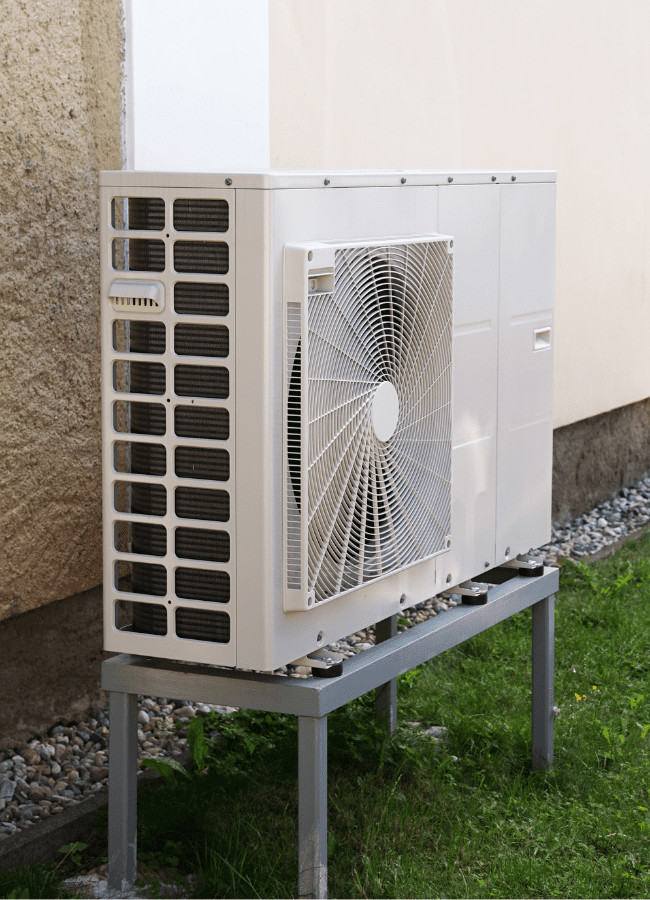
- Age of the Unit: If your heat pump is more than 10-15 years old, it might be time to consider replacement, especially if it requires frequent repairs or is no longer efficient.
- Rising Energy Bills: An unexplained increase in energy consumption can be a sign that the heat pump is declining in efficiency and may need replacing.
- Frequent Repairs: If you’re facing frequent and costly repairs, this could be a sign that the components are wearing out and it may be more economical in the long run to invest in a new unit.
- Performance Issues: If your heat pump struggles to maintain the desired temperature or you notice significant comfort issues in your home, it might be a signal that the system is failing.
- Excessive Noise: Older heat pumps may start to make loud, strange noises as they near the end of their lifespan due to worn-out parts or other mechanical issues.
- R-22 Refrigerant Use: If your heat pump uses R-22 refrigerant (which is being phased out due to environmental concerns), it may be more cost-effective to replace the unit rather than dealing with the increasing costs and dwindling supplies of R-22.
- Poor Air Quality: An older heat pump may struggle to manage humidity levels or filter out air pollutants, leading to poorer air quality in your home.
While a heat pump is a steadfast component of your home’s climate control system, there comes a time when replacement is inevitable. Acknowledging the signs of an aging heat pump — from rising energy bills to decreased performance — is vital. Upgrading to a new system can ensure continued comfort, more consistent temperatures, and better energy savings. If these indicators are becoming more apparent, it may be the perfect opportunity to consider the benefits of the latest heat pump technology for your home.
Common Heat Pump Installation Questions
The total cost to install a heat pump system typically ranges between $4,000 and $7,000 for a standard residential setup. High-end models or complex installations involving extensive ductwork modifications or electrical upgrades can push costs higher, potentially upwards of $10,000 or more.
The time it takes to install a heat pump can range from one to three days. The exact timeframe will depend on various factors, such as the type of heat pump being installed, whether it’s a new installation or a replacement, and the condition of existing ductwork and electrical systems. More complex installations with extensive ductwork or electrical changes can extend the installation time.
Air-source heat pumps (ASHPs) extract heat from the air outside your home to heat it and can reverse the process to cool your home in warmer months. They are generally less expensive to install but can be less efficient in extremely cold temperatures. Ground-source heat pumps (GSHPs), also known as geothermal heat pumps, draw heat from the ground, which maintains a more constant temperature than air. This makes GSHPs more efficient, particularly in cold climates, but the installation cost is typically higher due to the need for underground piping.
Heat pumps are usually more energy-efficient than traditional HVAC systems, such as furnaces and air conditioners, because they move heat rather than generate it by burning fuel. The efficiency of a heat pump is often measured by the coefficient of performance (COP) for heating and the seasonal energy efficiency ratio (SEER) for cooling. The higher these numbers, the more efficient the unit. Heat pumps can provide equivalent space conditioning at as little as one quarter of the cost of operating conventional heating or cooling appliances.
Our Service Area
Shafer Services Plus has proudly been serving South & Central Texas since 1988.
- Alamo Heights
- Boerne
- Cibolo
- Converse
- Fair Oaks Ranch
- Garden Ridge
- Live Oak
- New Braunfels
- Olmos Park
- San Antonio
- Schertz
- Selma
- Shavano Park
- Stone Oak
- Summerglen
- TPC
- Terrell Hills
- Universal City
New A/C Unit as Low as $95/mo
- We’ll come to your home.
- Analyze your new A/C installation needs.
- Present you with personalized equipment options.
- Financing options available!
- 100% satisfaction guaranteed.
FREE Furnace With Purchase of High Efficiency AC or Heat Pump System
Some exclusions apply. Check with your Shafer technician for more details!
- Limit one coupon per customer
- Offer cannot be combined with any other offers.
- Financing Options Available!