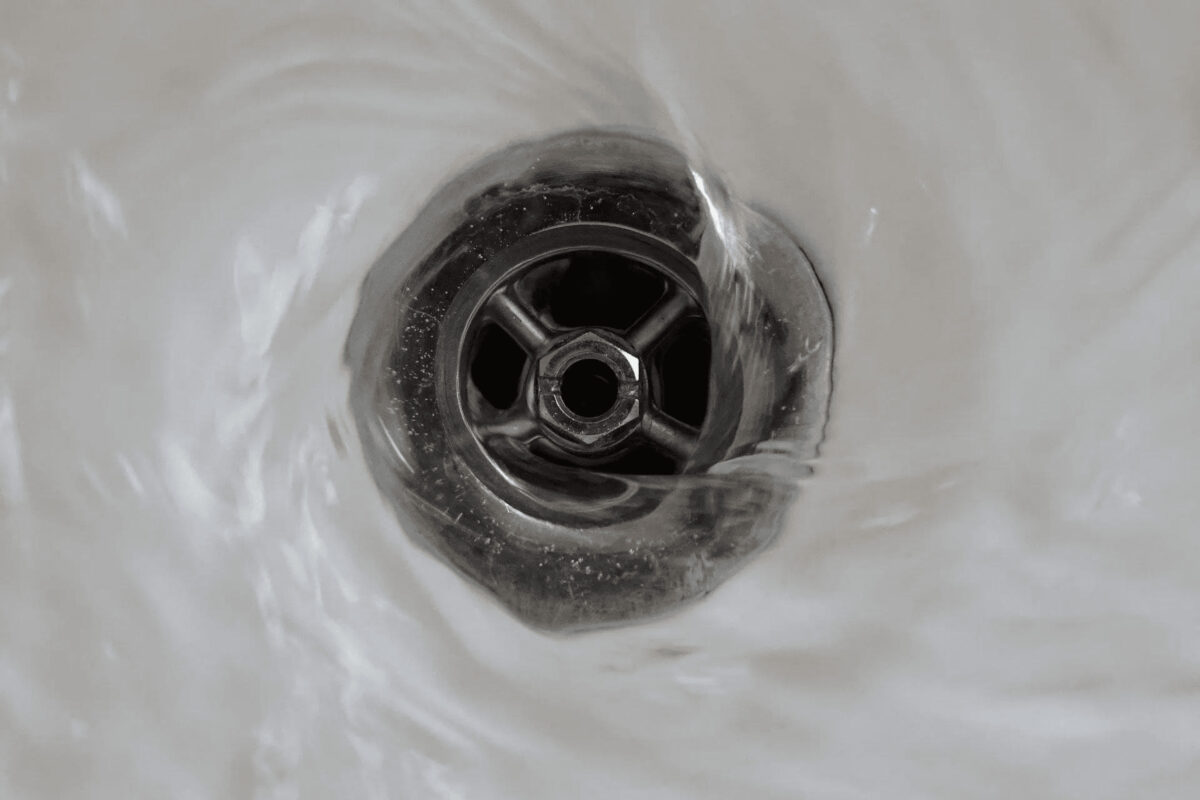
If you’re experiencing a clogged drain and wondering how much it will cost to fix, the answer isn’t always straightforward. In San Antonio, drain clearing costs can range from $189 to $500+, depending on several factors. The type of equipment used, such as a simple auger or a more advanced hydrojetting machine with pressurized water jets, can influence the price. The location and severity of the clog, whether it’s deep in the main line or affecting multiple drains, can also add complexity and cost. Additional elements like video inspections, service call fees, and the quality of the plumber you hire all play a role. By understanding these six key factors, you can better anticipate your costs and ensure the job is done right to prevent future issues. Let’s explore each of these factors in detail.
Why Does My Furnace Keep Going On and Off?
Worried that your furnace is turning on and off too frequently? If your furnace keeps going on and off, it could mean one of two things:
- It’s especially cold outside
- Your furnace is short cycling
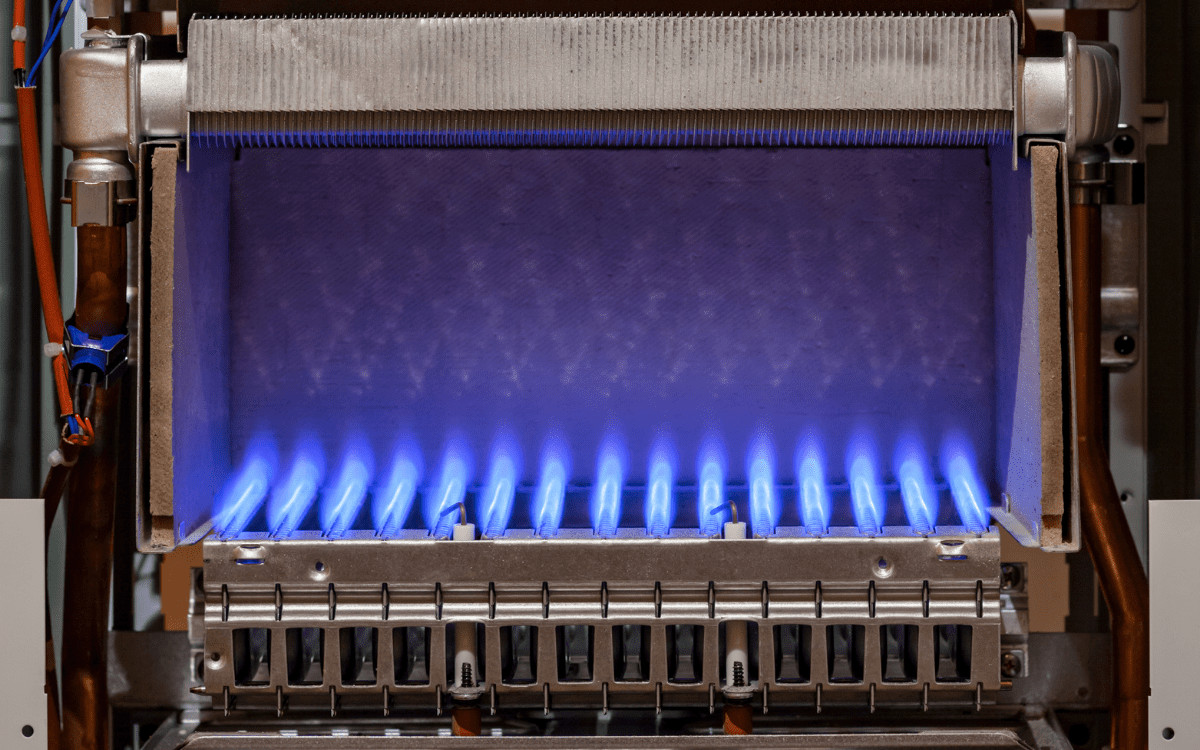
If it is an especially cold day, your furnace may just be turning on and off frequently because your home is getting colder faster. If that’s the case, there’s no need to worry—your furnace is just doing its job. However, if your furnace frequently goes on and off and only runs for a minute or two, it’s short cycling. Short cycling is bad news for your furnace because it wears out important components and increases your energy bills.
In this blog, we’ll explain what to do before calling a pro and what causes your furnace to short cycle. Need a furnace repair ASAP? We can help!

How To Tell If You Have a Gas Leak
Detecting Gas Leaks: Signs to Watch for and When to Call a Professional
Gas leaks are a serious safety concern for homeowners and businesses alike. Undetected leaks can lead to harmful health effects, increase the risk of fires or explosions, and cause significant environmental damage. Whether it’s a small leak or a more substantial issue, identifying and addressing gas leaks promptly is critical to ensuring safety and efficiency in your home or outdoor spaces.
Mountain Cedar Season: When It Begins, Ends and How to Survive It
If you’ve lived in Central Texas for a while, chances are you’ve experienced the dreaded “cedar fever.” Mountain Cedar allergy season starts in late December and can last until March. The most severe months are usually December and January, which is when the cedar’s pollen counts are at their peak. The symptoms of cedar fever are similar to those of a cold: sneezing, itchy eyes, a sore throat, runny nose and general fatigue. It’s an attack on your immune system and can leave you open to contracting other illnesses.
Signs of Animals in Your Attic
We’ve all been there—the sun has set, the kids are in bed, and you’re just about to ease into a peaceful slumber when suddenly, you hear noises. It starts out as a faint sound, barely perceptible, but then, it grows louder and closer, almost as if something is pacing above your head. You freeze, your mind racing through a dozen scenarios. Is it just a house settling? A stray gust of wind? Or worse… is there something living in your attic?
If you’ve ever experienced the eerie sounds of something moving in your attic, you’re not alone. This is a common issue for homeowners, and the mystery of “What critter is that?” is one that keeps many of us awake at night. In this blog, we’ll explore the potential risks and damage pests in the attic can cause, the most common critters that might be lurking above your ceiling, and the best pest control company in San Antonio.