


When your air conditioner stops working during a San Antonio summer, one of your first questions is probably, “How much does AC repair cost?” Whether your system is blowing warm air, making unusual noises, or refusing to turn on, knowing what to expect can help you make a more confident decision about your home’s comfort.
The truth is that AC repair cost depends on several factors, including the problem, the parts involved, your system’s age, and whether the repair is covered by a warranty.
Some issues are relatively simple to fix, while others require more extensive work. Understanding what affects air conditioning repair cost can help you know what questions to ask and what to expect before scheduling service.
How Much Does AC Repair Cost in San Antonio?
There’s no single price that applies to every AC repair in San Antonio. Here are the ranges we give customers for more common repairs we experience:
| Capacitor or contactor replacement | 350–600 |
| Basic or smart thermostat replacement | 350–800 |
| Fan motor repair or replacement | 1,000–3,500 |
| Circuit board repair | 850–2,500 |
| Evaporator coil replacement | 3,500–6,000 |
Your actual cost may fall outside these ranges depending on the equipment, diagnosis, parts availability, warranty coverage, and repair requirements.
The most reliable way to understand what your repair will cost is to have a qualified technician diagnose the issue and explain the recommended solution.
What Factors Affect AC Repair Cost?
No two air conditioning repairs are exactly alike. Several factors can influence the cost to repair an AC unit.
1. The Type of Repair Needed
One of the biggest factors is which component needs attention.
Replacing a smaller electrical component may be less involved than repairing a refrigerant leak or replacing a compressor.
Some repairs require specialized tools, extensive diagnostics, or additional work to access the affected equipment.
That’s why an accurate diagnosis matters. Identifying the actual cause of the problem helps avoid replacing parts unnecessarily.
2. The Age and Condition of Your HVAC System
As an HVAC system gets older, components naturally experience wear.
Older equipment may also require replacement parts that are harder to obtain or more expensive than parts for newer systems.
However, age alone doesn’t determine whether a repair is worthwhile.
A well-maintained older system with a minor issue may still be a good candidate for repair, while a newer system with significant damage may require a more involved solution.
3. Replacement Parts and Equipment
The type and availability of replacement parts can affect the overall repair price.
Some components are relatively straightforward to replace. Others, including compressors and evaporator coils, may involve more extensive work.
In certain situations, parts may need to be ordered directly from the manufacturer, which can affect how quickly the repair can be completed.
4. System Accessibility
Where your HVAC equipment is located can also influence the complexity of a repair.
Equipment installed in difficult-to-access attics, tight mechanical spaces, or other challenging locations may require additional time or preparation.
Your technician should evaluate these conditions when determining the scope of the work.
5. Warranty Coverage
Before paying for a major repair, it’s worth checking whether your HVAC system is still under warranty.
Depending on your equipment and warranty terms, certain replacement parts or services may be covered.
Understanding your coverage can help you avoid paying for expenses that may already be included.

Common AC Repairs and What Makes Them Different
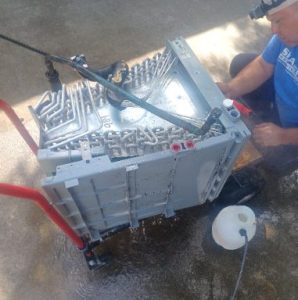
Understanding the problem can help explain why one repair may cost more than another.
Thermostat Problems
Sometimes the issue isn’t with your air conditioner itself.
A malfunctioning thermostat can prevent your system from turning on, communicating properly, or maintaining the temperature you’ve selected.
Depending on the problem, a thermostat repair or replacement may be relatively straightforward.
Before calling for service, check that your thermostat is set to “Cool,” the selected temperature is below the current room temperature, and the batteries are functioning if applicable.
Capacitors and Electrical Components
Capacitors, contactors, and other electrical components help your AC start and operate properly.
These parts can wear out over time, especially when equipment operates frequently during San Antonio’s long cooling season.
A failing component may cause the system to struggle when starting, stop operating, or fail to cool properly.
Because HVAC electrical components can retain dangerous charges, these repairs should always be handled by a qualified professional.
Fan Motors
Your air conditioner relies on motors to move air through the system and help transfer heat.
If a fan motor begins failing, you may notice unusual noises, reduced airflow, or problems with cooling performance.
The repair cost depends on the motor, equipment design, and whether other components have been affected.
Refrigerant Leaks
Refrigerant plays an essential role in transferring heat out of your home.
When refrigerant levels are low, it can indicate a leak that needs professional attention.
A proper repair may involve locating the leak, addressing the damaged component, and restoring the correct refrigerant charge.
Simply adding refrigerant without addressing the underlying problem may not provide a lasting solution.
Evaporator Coil Problems
Your evaporator coil absorbs heat from the air circulating through your home.
If the coil becomes damaged or develops a refrigerant leak, repairs can become more involved.
Depending on the condition of the equipment, replacing the coil may be necessary.
Compressor Issues
The compressor is one of the major components of your air conditioning system.
Because of the equipment involved and the complexity of the work, AC compressor replacement cost is often higher than many other common repairs.
Before recommending compressor replacement, a technician should evaluate the system and determine whether the compressor itself is the source of the problem.
If you’re experiencing any of these issues, professional Air Conditioning Repair can help identify the cause and explain your options.
Does Your AC Warranty Cover the Repair?
Warranty coverage can make a significant difference in your out-of-pocket repair costs.
Many HVAC systems have separate coverage for parts and labor.
Manufacturer Parts Warranty
A manufacturer’s warranty may cover certain components for a specified period after installation.
Coverage varies by manufacturer, model, registration requirements, and warranty terms.
Some manufacturers offer different coverage periods depending on whether the equipment was registered after installation.
If you’re unsure whether your equipment is covered, you can check the manufacturer’s website using your system’s model and serial numbers.
Labor Warranty
A labor warranty is separate from the manufacturer’s parts warranty.
Depending on your installation agreement or service provider, labor coverage may apply to certain repairs for a specified period.
It’s important to understand what is covered and whether there are any limitations or exclusions.
How to Check Your Warranty
Before approving a repair, consider taking these steps:
- Locate your HVAC system’s model and serial numbers.
- Review the manufacturer’s warranty information.
- Check your installation paperwork for any additional coverage.
- Ask your HVAC technician whether the necessary repair may qualify for warranty coverage.
Warranty terms vary, so don’t assume a repair is covered or excluded without checking the applicable documentation.
Why AC Repair Prices Vary Between Companies
If you’ve received more than one AC repair estimate, you may notice that the prices aren’t identical.
That’s because contractors can differ in their diagnostic process, technician experience, replacement parts, warranty coverage, and recommended scope of work.
Some HVAC companies charge hourly rates, while others use flat-rate pricing.
At Shafer Services Plus, we use flat-rate pricing. That means you receive one price for the recommended repair rather than separate hourly labor and material charges.
Our technicians diagnose the issue, explain the recommended work, and provide the price before proceeding.
This approach helps homeowners understand what they’re agreeing to without worrying about an hourly rate increasing while the repair is underway.
When comparing estimates, focus on understanding the recommended solution, what’s included, and whether the company stands behind its work.
How to Choose the Right AC Repair Company
When your AC stops working, it’s tempting to choose whichever contractor offers the lowest price.
However, the cheapest estimate isn’t always the best long-term value.
A quality HVAC contractor should help you understand the problem and feel confident about the recommended repair.
Before hiring a company, consider whether they:
- Have the appropriate licensing and insurance.
- Employ trained, experienced HVAC technicians.
- Explain their diagnosis and recommended solutions.
- Provide clear pricing before work begins.
- Have positive customer reviews and a strong local reputation.
- Offer information about applicable warranties or guarantees.
Working with a local company that understands the demands of San Antonio’s climate can also be helpful.
At Shafer Services Plus, we believe homeowners deserve honest answers, reliable workmanship, and recommendations based on what’s best for their homes.
Is It Better to Repair or Replace Your AC?
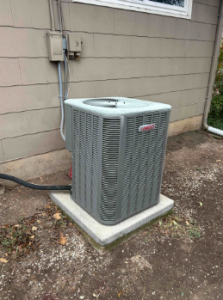
One of the biggest questions homeowners face is whether to continue repairing an existing system or invest in a replacement.
There’s no universal answer.
A minor repair on an otherwise reliable system may make more financial sense than replacing the entire unit.
However, if your air conditioner has experienced repeated breakdowns, requires an expensive major component, or struggles to cool your home efficiently, replacement may be worth considering.
When evaluating your options, think about:
- The age and overall condition of your HVAC system.
- How frequently you’ve needed repairs.
- The cost of the current repair.
- Your system’s energy efficiency.
- Whether replacement parts are readily available.
- How well the equipment meets your home’s comfort needs.
A trustworthy HVAC technician should explain both repair and replacement options when appropriate.
If your system is nearing the end of its useful life, you can also learn more about Air Conditioning Installation and what to consider before replacing your equipment.
How Can You Help Prevent Costly AC Repairs?
While not every breakdown can be prevented, routine maintenance can help reduce the likelihood of unexpected problems.
San Antonio homeowners rely heavily on their cooling systems, especially during the summer. Keeping up with basic maintenance can help support performance and identify developing issues.
A few helpful habits include:
- Checking and replacing dirty air filters.
- Keeping leaves, grass, and debris away from the outdoor unit.
- Making sure indoor vents aren’t blocked by furniture or other objects.
- Paying attention to unusual sounds or changes in cooling performance.
- Scheduling professional HVAC maintenance.
- Addressing smaller issues