
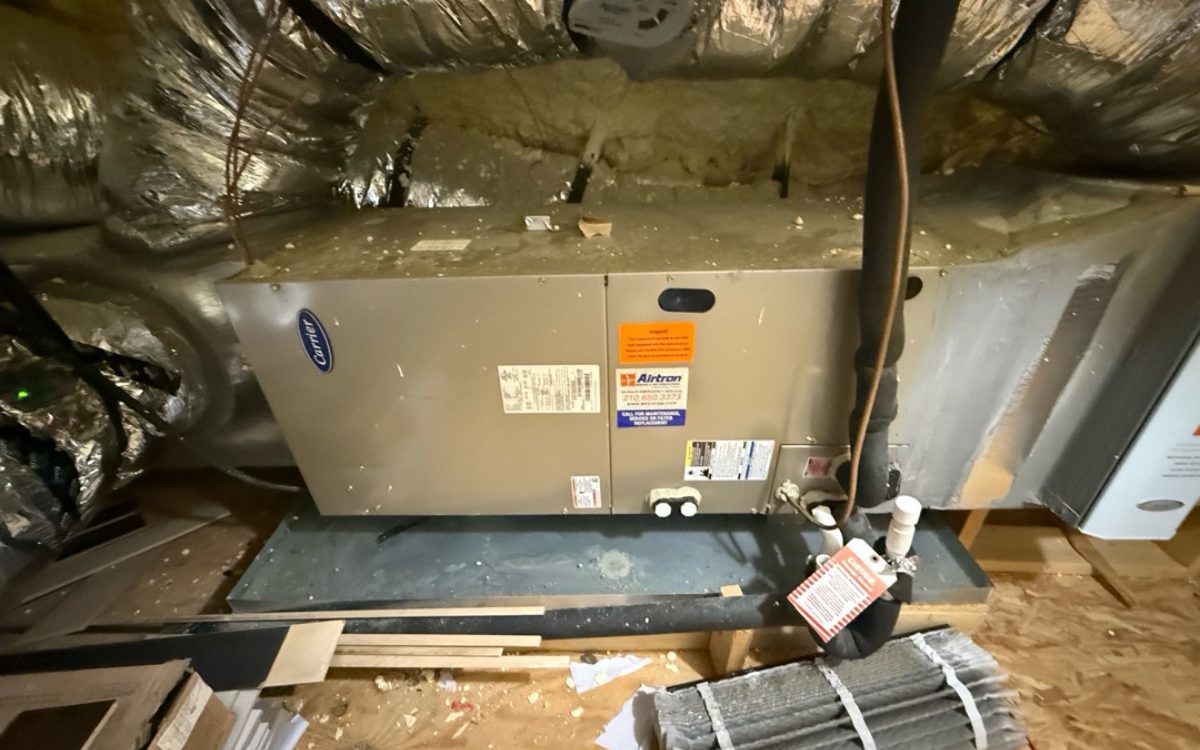

AC Not Turning On? A San Antonio Tech’s Troubleshooting Guide
There are few things more frustrating during a South Texas summer than an AC not turning on. When temperatures are climbing and your home starts heating up, it’s natural to worry about a major repair. Fortunately, there are a few simple things homeowners can safely check before calling a professional.
This guide walks you through common causes of an AC that won’t start, what you can troubleshoot yourself, and when it’s time to call the experts.
At Shafer Services Plus, our technicians take the time to explain what’s happening with your system, answer your questions, and recommend only the repairs your home truly needs.
Start With Your Thermostat
Before assuming your air conditioner has failed, check your thermostat.
A thermostat not working properly is one of the most common reasons an AC system won’t turn on.
Make sure:
- The thermostat is set to “Cool”
- The temperature is set below the current room temperature
- The display is on and functioning
- The batteries are fresh, if applicable
Sometimes a simple adjustment is all it takes to get your system running again.
Check Your Circuit Breaker
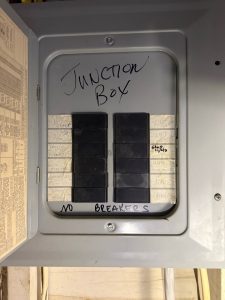
If your AC has no power at all, the breaker may have tripped.
Locate your home’s electrical panel and check the breaker labeled for your HVAC system.
If it has tripped:
- Reset it once
- Wait a few minutes to see if the system starts
- Do not continue resetting the breaker if it trips again
Repeated breaker trips may indicate an electrical issue that requires professional service.
Replace a Dirty Air Filter
A severely clogged air filter can restrict airflow enough to cause system problems.
In some cases, restricted airflow can even lead to an AC frozen evaporator coil, preventing the system from operating correctly.
Replacing your filter is one of the easiest maintenance tasks homeowners can perform and helps your system operate more efficiently year-round.
Check the Outdoor Unit
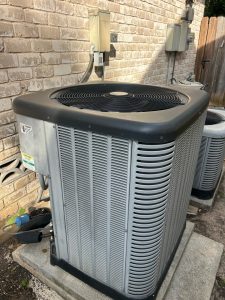
Walk outside and inspect your condenser unit.
Look for:
- Leaves or debris blocking airflow
- Damage to the unit
- Ice buildup
- Unusual sounds
If your AC makes loud noise or appears damaged, turn the system off and schedule professional service.
Listen for Warning Signs
Sometimes your system gives clues before it stops working completely.
You may notice:
- Buzzing
- Grinding
- Clicking
- Banging
These noises often indicate worn components or electrical problems.
Ignoring unusual sounds can lead to more extensive repairs over time.

Is Your AC Short Cycling?
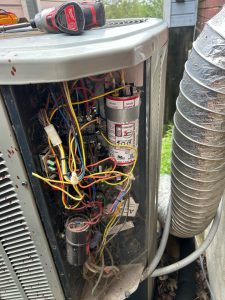
If your system turns on briefly and then shuts off repeatedly, you may be experiencing AC short cycling.
Short cycling can be caused by:
- Thermostat issues
- Dirty air filters
- Refrigerant problems
- Electrical faults
- Oversized equipment
Because many different issues can cause short cycling, professional diagnosis is usually the best solution.
Is the System Running but Not Cooling?
Sometimes homeowners think their AC isn’t turning on when it’s actually operating but failing to cool the home.
If your indoor fan is running but you’re feeling warm air, you may be experiencing an AC running but not cooling.
This could indicate:
- Low refrigerant
- Frozen evaporator coils
- Dirty condenser coils
- Electrical component failure
A qualified technician can identify the exact cause and recommend the appropriate repair.
When It’s Time to Call a Professional
If you’ve checked your thermostat, breaker, air filter, and outdoor unit but your AC still won’t start, it’s time to schedule service.
You should also call a professional if you notice:
- Burning odors
- Repeated breaker trips
- Ice on the system
- Loud or unusual noises
- Warm air from the vents
- Water leaking around the indoor unit
Prompt repairs can often prevent additional damage and help restore comfort more quickly.
Why Professional Diagnosis Matters
Modern HVAC systems contain many electrical and mechanical components that work together.
A problem that appears simple may actually have several underlying causes. Rather than replacing parts based on guesswork, professional diagnostics identify the root issue so repairs can be completed correctly the first time.
At Shafer Services Plus, our technicians take the time to explain what’s happening with your system, answer your questions, and recommend only the repairs your home truly needs.