
Buying a home is exciting, but it also comes with new responsibilities. One of the most important systems in your home is your HVAC system. For many first-time homeowners, understanding how HVAC systems work can feel overwhelming.
The good news is that a little knowledge goes a long way. Here is a practical guide to help you better understand your HVAC systems, how they operate, and how to keep them running efficiently from day one.
What Are HVAC Systems and Why Do They Matter?
HVAC stands for heating, ventilation, and air conditioning. Together, these systems control your home’s temperature, airflow, and indoor air quality.
Your HVAC system keeps your family comfortable during hot San Antonio summers and cooler winter nights. Beyond comfort, it also plays a role in energy efficiency, humidity control, and overall indoor air health.
If you are new to homeownership, think of your HVAC system as one of the most important investments in your home. Proper care protects both your comfort and your budget.
A Simple HVAC Systems Overview
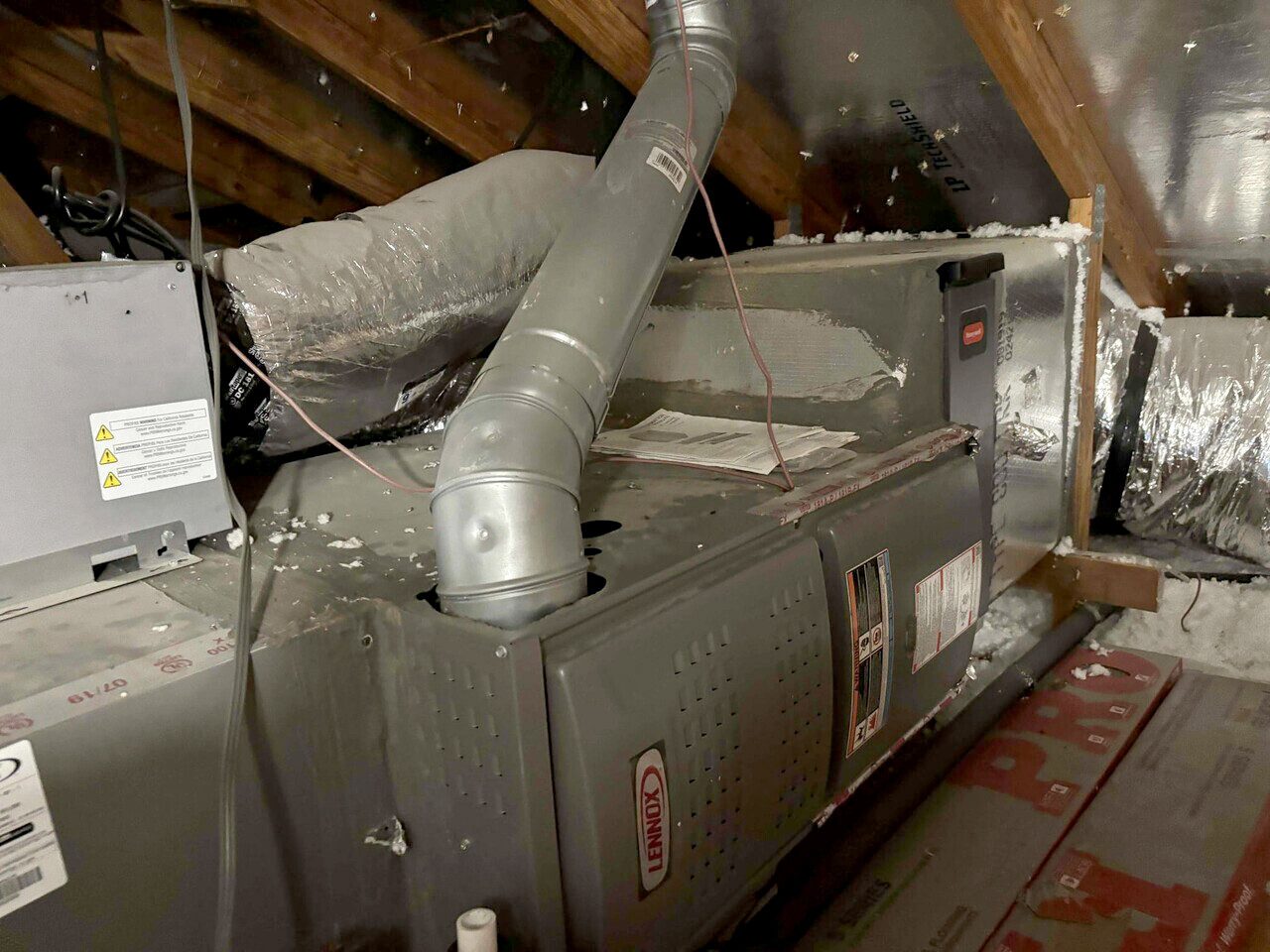
Most residential HVAC systems include several key components that work together. Understanding the basic parts of HVAC system equipment helps you feel more confident when maintenance or repairs are needed.
Common HVAC system components include:
- An outdoor unit that houses the condenser and compressor
- An indoor unit such as a furnace or air handler
- Ductwork that distributes air throughout the home
- A thermostat that controls temperature settings
- Air filters that help maintain indoor air quality
Each part plays a role in heating or cooling your home efficiently. When one component struggles, the entire HVAC system can be affected.
What to Know About Your HVAC System as a New Homeowner
1. Know the Age of Your System
Find out how old your HVAC system is and review any available maintenance records. Most systems last 10 to 15 years depending on usage and care. If you recently purchased a home with an older system, you may want to plan ahead for eventual upgrades or a new HVAC system.
2. Change Filters Regularly
One of the simplest ways to protect HVAC systems is by replacing air filters every one to three months. Clean filters improve airflow, efficiency, and indoor air quality. 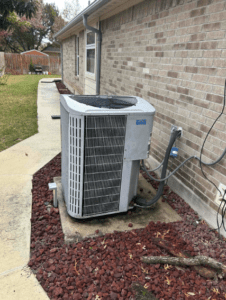
3. Schedule Routine Maintenance
Professional inspections help identify small issues before they become expensive problems. Annual maintenance ensures all HVAC system components are operating safely and efficiently.
4. Pay Attention to Warning Signs
Unusual noises, inconsistent temperatures, rising energy bills, or weak airflow can signal that your HVAC system needs attention. Addressing issues early prevents larger repairs later.
5. Understand Your Thermostat
Take time to learn how your thermostat works. Programming temperature settings can improve comfort and lower monthly energy costs.
When Should You Consider a New HVAC System?
If your HVAC system is older, frequently breaking down, or struggling to keep your home comfortable, it may be time to evaluate replacement options.
Signs you may need a new HVAC system include:
- Repeated costly repairs
- Uneven heating or cooling
- Significant increases in energy bills
- Excessive system noise
- Inconsistent indoor comfort
Upgrading to a modern system can improve efficiency, reliability, and overall comfort.
Building Confidence as a Homeowner
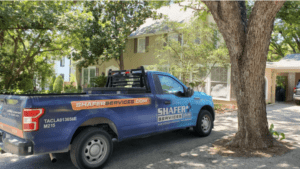
Understanding your HVAC system does not require technical expertise. It simply means knowing the basics, staying proactive with maintenance, and working with a trusted service provider when needed.
At Shafer Services Plus, we believe in clear communication and honest recommendations. We take the time to explain what is happening with your HVAC system and what options make the most sense for your home.
Home ownership comes with new responsibilities, but you do not have to navigate them alone.
Your Comfort Starts Here
Whether you need maintenance, repairs, or guidance about upgrading your HVAC system, our expert team is here to help you feel confident and comfortable in your new home.
Discover Our Air Conditioner Services!