
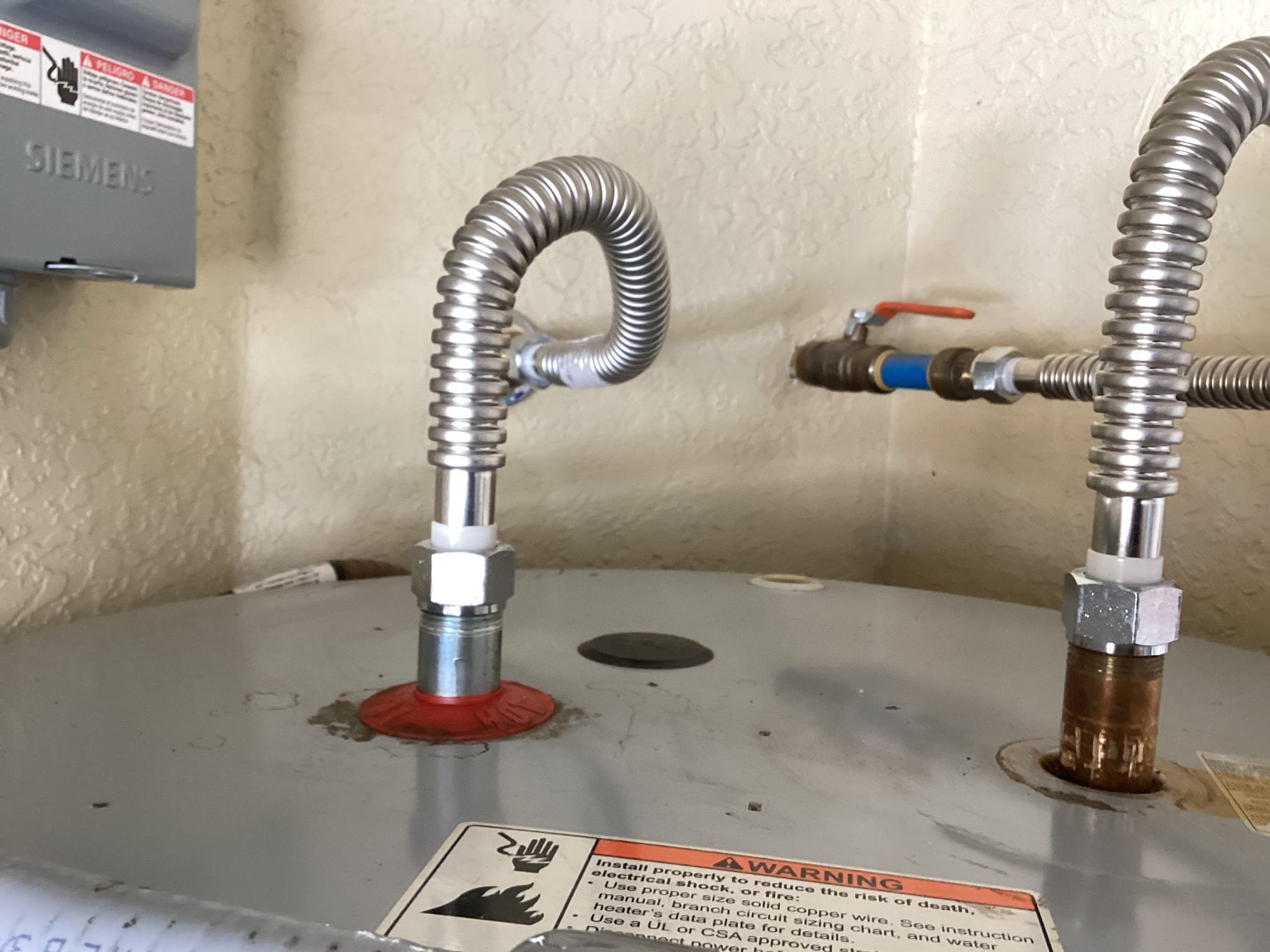

Water heaters are one of the hardest-working appliances in your home. Most homeowners don’t think about them until there’s no hot water, a leak appears, or the system stops working altogether. Understanding the life expectancy of a water heater can help you recognize the signs that the water heater is going out and avoid an unexpected cold shower or costly water damage.
So how long should a water heater last, and what warning signs should you watch for before it fails?
How Long Does a Water Heater Typically Last?
The average lifespan of a traditional tank water heater is between 8 and 12 years, although some units can last longer with proper maintenance. Tankless water heaters often have a longer lifespan, sometimes reaching 15 to 20 years or more.
Several factors can affect longevity, including:
- Water quality
- Usage habits
- Installation quality
- Regular maintenance
- Sediment buildup
- Water pressure levels
Even if your water heater appears to be working normally, age alone can increase the risk of unexpected failure.
Signs Your Water Heater Is Going Out
As water heaters age, they often provide warning signs before completely failing. Recognizing these symptoms early can help you plan for repairs or replacement before a major problem occurs.
1. Inconsistent Hot Water
If you’re running out of hot water faster than usual or noticing temperature fluctuations, your system may be struggling to keep up with demand.
This is often one of the first signs your water heater is going out, especially in older units where heating components have begun to wear down.
2. Rust-Colored Water
Discolored water coming from your hot water taps can indicate corrosion inside the tank. While rusty water doesn’t always mean the water heater is failing, it is often one of the signs of a bad water heater that should be inspected by a professional.
3. Strange Noises
Popping, rumbling, or banging sounds coming from the tank are usually caused by sediment buildup.
As sediment hardens over time, your water heater must work harder to heat water efficiently. This additional strain can accelerate wear and increase the risk of water heater failure.
4. Water Around the Unit
Any signs of moisture, puddling, or active leaks around your water heater should be addressed immediately.
Small leaks can quickly become larger problems, causing damage to floors, walls, and nearby belongings. Water pooling around the base is one of the most common signs the water heater is going bad.
5. Higher Energy Bills
An aging water heater often becomes less efficient over time. If your utility bills are increasing without another obvious explanation, your water heater may be using more energy to produce the same amount of hot water.
What Causes Water Heater Failure?
While age is a major factor, several conditions can shorten a water heater‘s lifespan.
Sediment Buildup
Minerals naturally found in water settle at the bottom of the tank. Over time, this sediment creates a barrier between the burner and the water, forcing the system to work harder.
Corrosion
Water heaters are equipped with an anode rod that helps prevent rust inside the tank. Once the rod is depleted, corrosion can begin attacking the interior walls of the tank.
Excessive Water Pressure
High water pressure may feel great in the shower, but it can place additional stress on plumbing components and your water heater.
Lack of Maintenance
Regular maintenance, including flushing the tank and inspecting critical components, can significantly extend the life of your water heater.

Can Maintenance Extend the Life of a Water Heater?
Absolutely.
Routine maintenance helps remove sediment, improve efficiency, and identify developing issues before they become major repairs.
Professional maintenance typically includes:
- Flushing the tank
- Inspecting the anode rod
- Checking pressure relief valves
- Inspecting connections and fittings
- Verifying proper operation
Preventative maintenance is often far less expensive than replacing a water heater that failed unexpectedly.
When Should You Replace Your Water Heater?
If your unit is more than 10 years old and showing multiple warning signs, replacement may be the most cost-effective option.
Some common indicators that replacement should be considered include:
- Frequent repairs
- Visible corrosion
- Tank leaks
- Consistently poor performance
- Rising operating costs
Waiting until complete failure occurs can lead to emergency replacement costs and potential water damage.
Don’t Ignore the Warning Signs
Understanding the signs that the water heater is going out can help you avoid unexpected breakdowns and protect your home from costly repairs. Whether you’re noticing inconsistent hot water, unusual noises, or signs of corrosion, addressing issues early gives you more options and often saves money in the long run.
If you’re concerned about your water heater’s performance, the plumbing professionals at Shafer Services Plus can inspect your system, explain your options, and help you determine whether repair or replacement makes the most sense.