
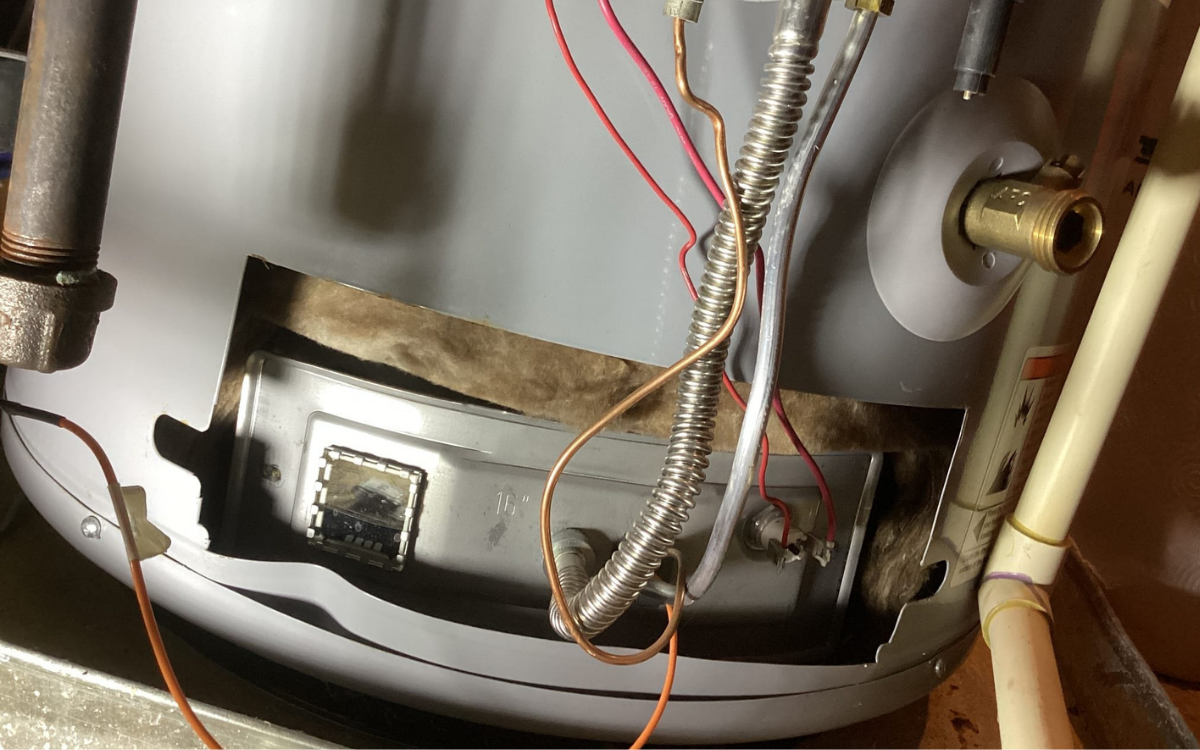

What Is the Most Common Cause of Water Heater Failure?
Nobody wants to wake up to a cold shower or discover a leaking water heater in the garage. While water heaters are designed to provide years of reliable service, they do not last forever. Understanding the most common causes of failure can help homeowners recognize the signs that the water heater is going out before a complete breakdown occurs.
The good news is that many water heater problems develop gradually, giving you time to address issues before they become emergencies.
Sediment Buildup Is the Most Common Cause of Water Heater Failure
For most homeowners, sediment buildup is one of the leading causes of water heater failure.
Over time, minerals naturally found in water settle at the bottom of the tank. As this sediment layer grows, it creates several problems:
- Reduced heating efficiency
- Increased energy usage
- Longer recovery times for hot water
- Excess strain on the tank and heating components
- Higher risk of leaks and corrosion
This is especially common in areas with hard water, such as San Antonio.
Regular maintenance and tank flushing can help reduce sediment buildup and extend the life of your water heater.

Signs Your Water Heater Is Going Out
Water heaters often provide warning signs before they fail completely. Recognizing these symptoms early can help you avoid unexpected disruptions.
Inconsistent Water Temperature
If your hot water suddenly runs cold or temperatures fluctuate unexpectedly, it may be one of the first signs your water heater is going out.
Heating elements, burners, or sediment buildup can all contribute to inconsistent performance.
Rusty or Discolored Water
If you notice brown, rusty, or discolored hot water coming from your faucets, it may indicate corrosion inside the tank.
This is one of the more serious signs of a bad water heater because internal corrosion often leads to leaks and eventual failure.
Strange Noises Coming From the Tank
Popping, banging, or rumbling sounds are common indicators of sediment buildup.
As sediment hardens inside the tank, the water heater must work harder to heat water efficiently. These noises are often among the earliest signs the water heater is going bad.
Water Around the Base of the Tank
Any moisture or pooling water around the unit should be investigated immediately.
Small leaks can quickly worsen and may signal that the tank itself is beginning to fail. This is one of the clearest signs your hot water heater is going out and should not be ignored.
Reduced Hot Water Supply
If your family suddenly runs out of hot water much faster than normal, the water heater may be losing efficiency or capacity.
This problem often develops gradually and can indicate that major components are wearing out.
How Long Should a Water Heater Last?
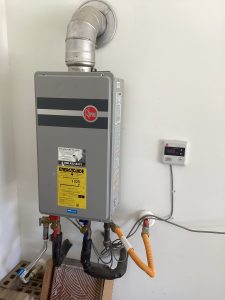
Most traditional tank water heaters last between 8 and 12 years with proper maintenance.
Factors that affect lifespan include:
- Water quality
- Maintenance frequency
- Installation quality
- Usage habits
- Tank material and design
Regular inspections can help identify problems before they lead to premature water heater failure.
Can Water Heater Failure Be Prevented?
While every water heater eventually reaches the end of its lifespan, routine maintenance can help extend its life and improve performance.
Helpful maintenance steps include:
- Scheduling annual inspections
- Flushing the tank to remove sediment
- Checking for leaks and corrosion
- Testing pressure relief valves
- Monitoring system performance
These simple steps help reduce wear and allow technicians to catch developing issues early.
When Should You Call a Professional?
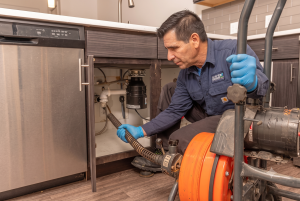
If you notice any of the warning signs discussed above, it is a good idea to schedule an inspection.
Professional plumbers can determine whether your system needs:
- Routine maintenance
- A repair
- Component replacement
- Full water heater replacement
The earlier problems are identified, the more options you typically have. For expert help, Shafer Services Plus has licensed plumbers available in the Greater San Antonio and Central Texas area.