


When homeowners are faced with a major repair, one of the biggest questions is whether it makes more sense to repair the system or replace it entirely. That is where the “$5000 rule” comes in. This guideline is often used to help homeowners evaluate HVAC repair cost versus replacement value in a simple, practical way.
While it is not a perfect formula, the $5000 rule can help homeowners make more informed decisions about their comfort system and avoid spending money on repairs that may not provide long-term value.
What Is the $5000 Rule for HVAC?
The $5000 rule is a general guideline used to determine whether repairing or replacing an HVAC system may make more financial sense.
The formula is simple:
System Age × Estimated Repair Cost = Decision Number
If that number is greater than $5000, replacement may be worth considering. If the number is lower, repair may still be the more practical option.
For example:
- A 12-year-old system with a $500 repair
12 × 500 = 6000
In this case, many homeowners would begin evaluating replacement options instead of investing more into an aging system.
The goal is to balance the immediate cost of HVAC repair with the long-term reliability and efficiency of the equipment.

Why Homeowners Use the $5000 Rule
As HVAC systems age, repairs often become more frequent and expensive. While a single repair may seem manageable, repeated breakdowns can quickly increase overall HVAC repair costs.
The $5000 rule helps homeowners think beyond the immediate repair and consider:
- System age
- Energy efficiency
- Frequency of breakdowns
- Long-term reliability
- Future repair expenses
This approach can help avoid putting significant money into a system that may continue failing.
What the $5000 Rule Does Not Consider
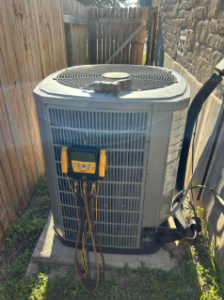
While helpful, the rule should not be the only factor in your decision. Every home and HVAC system is different.
Other things to consider include:
- Energy Efficiency: Older systems often use more energy than modern equipment. Even if the average HVAC repair cost seems reasonable, an inefficient system may still cost more over time through higher utility bills.
- Repair History: If your system has required several recent repairs, the overall cost to repair HVAC system issues may continue increasing.
- Comfort Problems: Uneven temperatures, poor airflow, or humidity issues may indicate the system is no longer performing effectively.
- Manufacturer Warranty: Some repairs may still be partially covered depending on the age and warranty status of the equipment.
When Repair Still Makes Sense
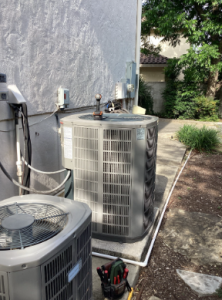
Not every repair means replacement is necessary. In many cases, repairs are still the right decision, especially if:
- The system is relatively new
- The issue is isolated and repairable
- The average cost of HVAC repair is low compared to replacement
- The system has been well maintained
A trusted technician can help evaluate the condition of your system and explain your options clearly.
Why Professional Guidance Matters
Online formulas can be helpful, but nothing replaces a professional inspection. An experienced technician can evaluate your system’s condition, identify underlying issues, and explain whether repair or replacement makes the most sense for your home.
At Shafer Services Plus, we believe in honest recommendations and clear communication. We help homeowners understand the true cost of HVAC repair so they can make confident, informed decisions without pressure.