

What Pipes Are Banned In Plumbing?
When homeowners think about plumbing problems, they often focus on leaks, clogs, or aging fixtures. But one issue many people do not realize can affect their home is outdated or banned piping materials. Some older pipes are no longer approved because they can create safety concerns, reliability issues, or expensive repairs over time.
Understanding banned plumbing materials is also a great way to avoid some of the most common plumbing mistakes homeowners make, especially during DIY projects or home renovations.
Why Some Plumbing Pipes Were Banned
Over the years, certain plumbing materials were found to have serious long-term problems. Some deteriorated too quickly, while others posed health risks or failed under normal use.
As building codes evolved, these materials were phased out or banned to improve safety, durability, and water quality in homes.
For homeowners, recognizing outdated plumbing can help prevent costly repairs and avoid larger plumbing mistakes later.
Common Types of Pipes That Were Banned or Phased Out
Lead Pipes 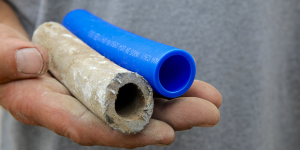
Lead pipes were commonly used decades ago before health risks became widely understood. Because lead can contaminate drinking water, these pipes are no longer approved for residential plumbing systems.
If your home is older, it may still contain lead service lines or lead solder connections that should be inspected by a professional plumber.
Polybutylene Pipes 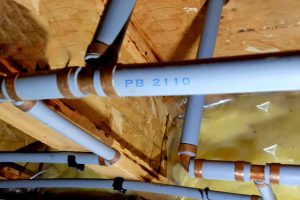
Polybutylene piping became popular between the late 1970s and mid-1990s because it was inexpensive and easy to install. Over time, however, these pipes were found to crack and fail unexpectedly.
Today, polybutylene is considered one of the biggest plumbing mistakes from past construction practices because of its high failure rate.
Homeowners with these pipes often choose proactive replacement to avoid water damage and expensive repairs.
Certain Orangeburg Sewer Pipes 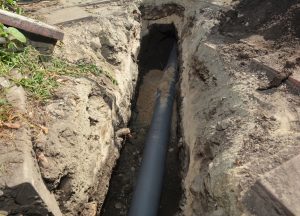
Orangeburg pipes were made from layers of wood pulp and tar paper. While inexpensive at the time, they were not durable enough for long-term sewer use.
These pipes can collapse, deform, or deteriorate over time, leading to sewer backups and major repair needs
Common DIY Plumbing Mistakes Homeowners Make
Trying to repair or replace plumbing without proper knowledge can create bigger problems. Many common DIY plumbing mistakes happen when homeowners unknowingly work with outdated materials or use incorrect replacement parts. 
Some of the most common issues include:
- Mixing incompatible pipe materials
- Using incorrect fittings or connectors
- Applying too much pipe sealant or tape
- Overtightening connections
- Ignoring local plumbing codes
These types of DIY plumbing mistakes can lead to leaks, water damage, or failed inspections.

Plumbing Mistakes To Avoid During Home Projects
Whether you are remodeling a bathroom or fixing a small leak, it is important to avoid shortcuts that can create larger issues later.
Some important plumbing mistakes to avoid include:
- Choosing the cheapest materials instead of durable solutions
- Attempting major pipe replacements without professional guidance
- Ignoring signs of aging or corroded plumbing
- Delaying repairs after spotting leaks or water damage
Professional plumbers understand current code requirements and can identify hidden issues before they become expensive problems.
Why Professional Plumbing Matters
Many homeowners try to save money by handling plumbing work themselves, but even small plumber mistakes can create costly repairs if not done properly.
Working with an experienced plumbing professional helps ensure:
- Safe, code-compliant installations
- Proper pipe material selection
- Long-lasting repairs
- Reduced risk of leaks and water damage
At Shafer Services Plus, we believe in doing the right thing and helping homeowners make informed decisions about their plumbing systems.